
"coffee origin grades"
10000 article(s) found
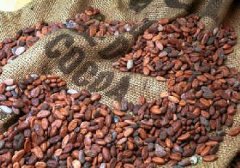
Coffee grade countries according to self-set standards are as follows
National place name: indicates the area where coffee is produced. For example, Ethiopia. Harald shows that the product is produced in Harald, Ethiopia. It should be noted here that the name of the country is the same, but when the region and year are different, the quality of coffee is different, and the taste of coffee is not guaranteed to be consistent. Port of export: indicates the port of export of coffee. Coffee of the same origin and brand in the same place.

Basic knowledge of boutique coffee details the grade and brand of coffee
National place name: indicates the area where coffee is produced. For example, Ethiopia. Harald shows that the product is produced in Harald, Ethiopia. It should be noted here that the name of the country is the same, but when the region and year are different, the quality of coffee is different, and the taste of coffee is not guaranteed to be consistent. Port of export: indicates the port of export of coffee. Coffee of the same origin and brand in the same place.

Ethiopian Coffee characteristics introduce Ethiopian Coffee Brand Ethiopian Coffee varieties
In Ethiopia, the grading and quality control system of coffee is divided into three levels: producer, regional and national. All coffee is inspected by local inspection agencies before leaving the country of origin, and then re-tested at the coffee inspection and grading centers in Addis and Diredawa to determine its quality grade. Coffee is graded before auction and sale, for all involved in production, acquisition,

A brief introduction to the History and Culture of the Origin and Development of Yega Sheffield Wauka Fine Coffee beans
Yega Xuefei's grading system is not based on the number of eyes, but on the proportion of defective beans in the total number of raw beans. Commonly seen are wash G2 and sun G3 Yega Chuefei, G1 is the highest grade, Yega Xuefei, which has the lowest defect rate and the best quality, can be rated as Grade 1 only after hand selection. There used to be a Cork Manor in the shop.

Introduction to the Origin of Ethiopian Coffee by introducing the Flavor and Taste characteristics of Ethiopian Coffee Manor
Due to different processing methods, coffee can be divided into washed coffee (Washed coffee) and sun-cured coffee (Sun-dried coffee). Washed coffee accounts for 35% of exports. Good quality washed coffee is processed with freshly picked fully ripe fruit, picked carefully and closely monitored by professionals. The clean coffee beans picked up will be pulped on the day of picking.

A brief introduction to the flavor and aroma characteristics of Ethiopian boutique coffee beans
Ethiopia's Yega Coffee is Ethiopia's most important export cash crop and a major source of Ethiopia's foreign exchange earnings. Ethiopia's coffee exports account for about 3% of the world market, making it the eighth largest coffee exporter in the world. Coffee exports increased steadily from 58000 tons in 1990-1991 to 110000 tons in 1995-96, and remained at this level for the next few years.

Ethiopian coffee beans are graded system Ethiopian coffee beans story and flavor
Following Kaibei (Wechat official account vdailycom) found that the Cafe Beautiful opened a small shop of its own Ethiopia Coffee beans divided into five levels. The first and second stages are washed beans. Washed beans Grade1 represents 3 defective beans per 300g raw beans, and Grade2 represents 4 defective beans per 300g. Gradc1 grade water washed beans are very rare and are generally difficult to buy.

A brief introduction to the origin, development, history and culture of clean and elegant Yega Xuefei boutique coffee beans
The first branch comes from Adulina's Adulina Kochere. The coffee bean variety is Heirloom, which is a mixed variety of the local native forest. Although the natural environment of the producing area creates the flavor of Yega Xuefei, it is the local native variety that best reflects the flavor. The treatment of raw beans is: full water washing. Compared with the ordinary water-washed G2 Chevy, it tastes more.

A brief introduction to the Flavor, Taste and aroma characteristics of Fine Ethiopian Coffee beans
Ethiopia grows coffee in different climatic zones, so it has more than 140 farm varieties, and fresh coffee is produced all the year round. The quality of Ethiopian coffee varies according to different elevations and regional ecological environment. The Harar coffee in the southeast highland is a typical Muha coffee with a strong flavor; the coffee produced in the southwest Wollega has a rich fruity flavor; Limu coffee

A brief introduction to the Market Price of aromatic Fine Coffee Bean varieties in Ethiopia
Yega Xuefei is a small town, 700-2100 meters above sea level, synonymous with Ethiopian boutique coffee. It has been a wetland since ancient times. The ancient saying "Yirga" means to settle down and "Cheffe" means a wetland. The mode of production and flavor of coffee here are so outstanding that Ethiopian coffee farmers compete to take pride in the flavor of their coffee, making it the worst in Africa.

A brief introduction to the cultivation of aromatic Ethiopian boutique coffee beans, geographical location, climate and altitude
Although the Ethiopian Yirgacheffe coffee is petite, it is gentle and delicate and sweet. As the hometown of coffee, thousands of years of planting history and processing tradition in Ethiopia have created high-quality washed Arabica beans. Light baking has unique sweet aromas of lemon, flowers and honey, soft acidity and citrus flavors, fresh and bright on the palate. No.

A brief introduction to the planting situation of Ethiopian boutique coffee beans, geographical location, climate and altitude
Although the Ethiopian Yirgacheffe coffee is petite, it is gentle and delicate and sweet. As the hometown of coffee, thousands of years of planting history and processing tradition in Ethiopia have created high-quality washed Arabica beans. Light baking has unique sweet aromas of lemon, flowers and honey, soft acidity and citrus flavors, fresh and bright on the palate. No.

An introduction to the Origin and Cultural course of Coffee beans in Kenya
1) Common classification: hand-picked coffee fruit, picked by hand, picked out immature fruit (unripe), overripe fruit (overripe) and other defects, peeled, after about 36 hours of fermentation, placed on a metal grid for sun drying, in the processing plant to remove the seed shell (parchment), become a blue-green appearance of attractive Kenyan raw beans. These beautiful raw beans, roots

A brief introduction to the treatment method of grinding degree and baking degree of Ethiopian boutique coffee beans
Even the official research unit of Ethiopia does not know how many Arabica subspecies there are in Ethiopia. The coffee cooperatives in this mountain are certainly different from those planted in another mountain, and even small farmers in the same region grow different varieties of coffee. Like the little Jasper of Suzhou, although she is petite, she is gentle and delicate, sweet and lovely, and can attract ten thousand without any decoration.

Ethiopian Coffee | Flavor characteristics and Classification of Ethiopian Yega Snow Coffee
For more information on coffee beans, please follow the coffee workshop (Wechat official account cafe_style) [product name]: Ethiopia Yirgacheffe, Ethiopia [quality rating]: WP Grade 2 [roasting degree]: recommended moderate roasting degree (Medium Roast or City Roast) [Grade]: excellent [granules]:

Ethiopia washed Sidamo G1 Shakiso shakisso coffee beans, grading, price, raw beans and roasting degree
Professional baristas exchange please follow the coffee workshop (Wechat official account cafe_style) Ethiopia Sidamo is a single origin type growing in Arabica coffee in Ethiopia's Sidamo province. Like coffee in most African countries, Ethiopian Sidamo is characterized by small gray beans, but characterized by its rich, spicy, wine or chocolate-like taste and floral aroma.
Grading, price, raw bean and baking curve of single bean in Yega Fischer area
For the exchange of professional baristas, please pay attention to the coffee workshop (Wechat official account cafe_style) Yega Ficochel production area single bean classification, price, raw beans and baking curve Ethiopia Cochel washing Hama G1 Ethopia Kochere Washed HAMA G1 ■ country: Ethiopia ■ production area: Cochel, Hama ■ altitude: 1600m-2500m ■ treatment

A brief introduction to the treatment method of grinding degree and baking degree of sweet Ethiopian boutique coffee beans
Even the official research unit of Ethiopia does not know how many Arabica subspecies there are in Ethiopia. The coffee cooperatives in this mountain are certainly different from those planted in another mountain, and even small farmers in the same region grow different varieties of coffee. Like the little Jasper of Suzhou, although she is petite, she is gentle and delicate, sweet and lovely, and can attract ten thousand without any decoration.

How do you drink Sidamo honey coffee?
For the exchange of professional baristas, please pay attention to the honeyed words made by the hands of the coffee workshop (Wechat official account cafe_style). 15g powder, medium fineness grinding (small Fuji ghost tooth cutter 3.5grinding), v60 filter cup, 9193 degrees water temperature, 30g water injection for the first time, steaming for 27 seconds, water injection to 105g water cut off, wait for the water volume of powder bed to be reduced to half and then water injection, slow water injection until 225g water, do not use water at the end.

Multi-layered taste of Ethiopian fine coffee beans Flavor Taste Aroma Description Introduction
The girl scraped the powder out bit by bit with a small wooden spoon and poured it into a small-necked, bulging, big-eared earthenware pot. She added clean water and boiled it on a small stove. The water boiled very quickly. After boiling for a while, the fragrance was already overflowing. The girl placed several china cups the size of wine cups on a small wooden box, then lifted the big ear of the coffee pot to fill each cup one by one, and then put down the pot, one cup at a time.